


 Сообщения


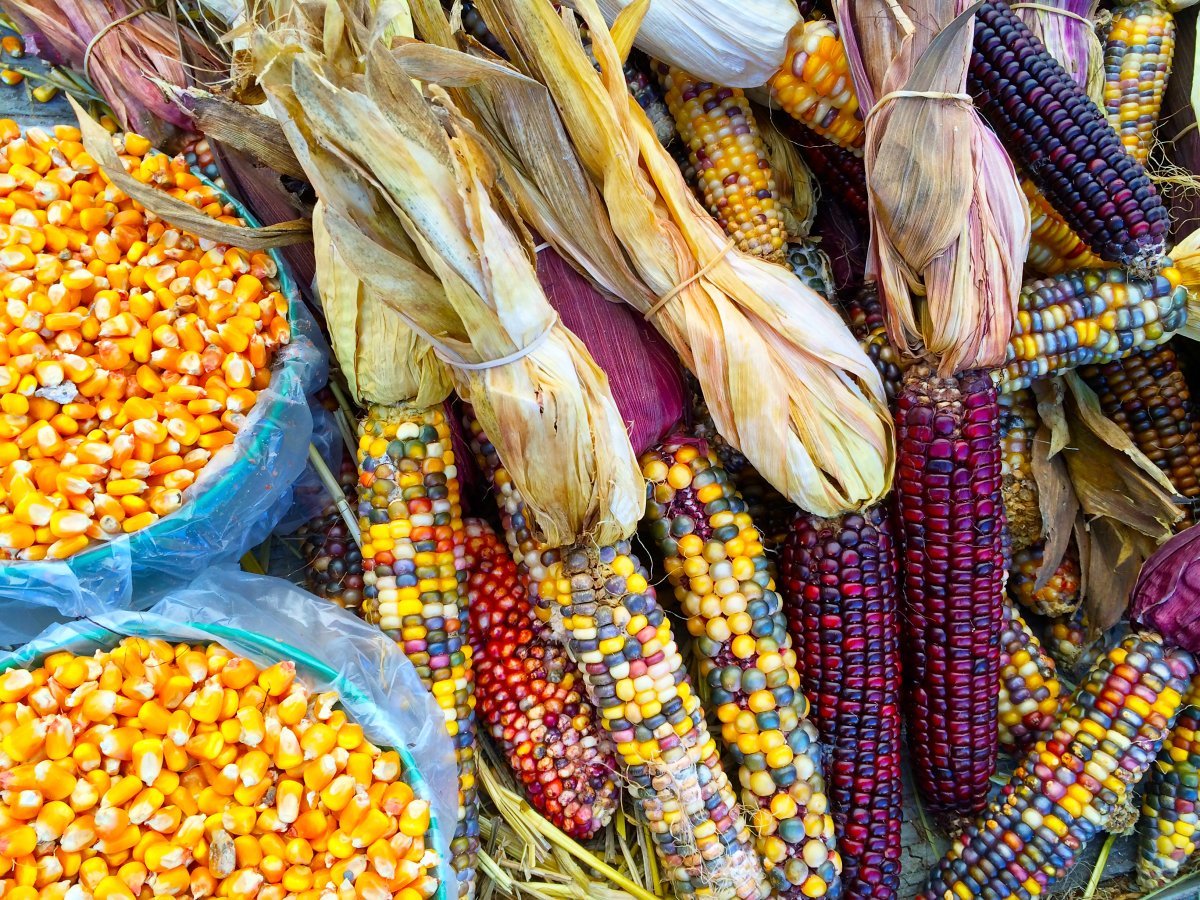
There are many different varieties of corn. Here are some of the most common ones.
1) Sweet Corn
This is the yellow variety you’re most likely to find on the cob or cut off the cob and frozen at the grocery store or local market. It’s known for its sweet taste, which is due to its high sugar content. Sweet corn is different from other varieties because it’s actually picked for human consumption before it’s fully mature. This assures that the kernels stay soft. When cooked, it produces ferulic acid. (Ferulic acid is an antioxidant that has been studied by researchers at Cornell University for its potential anticancer characteristics.) Interestingly, even though sweet corn is the variety most consumed by humans, it only makes up 1% of the corn grown in the United States. Sweet corn is actually said to have come about from a natural mutation sometime in the 18th century.
2) Blue Corn
This variety is full of anthocyanins, which accounts for its bluish kernels. Anthocyanins are pigments that are high in antioxidants. Anthocyanins in blue corn have specifically been studied for their anticancer properties and demonstrated an antiproliferative effect on certain cancer cell lines. Blue corn is also slightly higher in plant-based protein than yellow. Although you may not commonly encounter blue corn in its whole form, food companies use it to make blue corn tortillas, tortilla chips, and blue cornmeal.
3) Indian Corn
Often seen in the autumn, Indian corn is a beautiful variety with multicolored kernels. They can take shape in a range of colors, such as red, blue, and white. The unique coloring comes from cross-pollination of single-color corn species. It’s also called flint corn and is one of the oldest varieties, originating with the Native Americans who taught early European immigrant explorers how to grow it. Indian corn has hard kernel shells that shrink when cooked, but this makes it less susceptible to spoiling than other varieties. When not used as table decor, this variety works best in dishes like polenta and hominy because it doesn’t taste sweet. Higher in starch than other varieties, it contains varying degrees of the carotenoids lutein and zeaxanthin, though these appear to be reduced when boiled.
4) Field Corn
Most of the corn grown in the United States is field corn. And most of it is genetically engineered. Its primary use is to feed livestock, or to produce ethanol for cars. Some is also used to make corn starch, corn oil, corn cereal, and corn syrup for human consumption. Field corn is sometimes referred to as “cow corn,” because so much of it is fed to livestock. It’s also called dent corn because of a distinct dent that forms when the kernels dry.
5) Baby Corn
You might find baby corn at a salad bar or pickled in tiny jars at the grocery store. Many people assume that baby corn comes from a smaller species of corn. Surprise! It’s just sweet or field corn picked very prematurely.
In addition to health-promoting antioxidants, edible corn offers some other benefits, too:
- Corn has many nutrients. It’s a good source of fiber, protein, B vitamins, and minerals like zinc, copper, manganese, magnesium, iron, selenium, and phosphorus. Whether you want to eat corn fresh, canned, frozen, or ground into cornmeal, you can reap these nutritional benefits year round.
- Corn may help keep your eyes healthy. Corn is high in lutein and zeaxanthin, which are carotenoid compounds naturally found in the macula of your eyes. Lutein and zeaxanthin in foods have been studied for their impact on preventing age-related macular degeneration (AMD). A study in JAMA found that of 365 adult men and women, those who consumed the highest amounts of these compounds had a 43% reduced risk of AMD compared to those who ate the lowest amounts.
- Corn may be good for your gut. The high fiber content of corn may also be good for your gut. Fiber is essential for digestive health. It’s been shown to reduce the risk for digestive diseases like colorectal cancer and diverticulitis. The fact that corn could be helpful with diverticulitis is particularly striking, considering that people with diverticulitis have traditionally been told to avoid eating popcorn. But a 2008 study published in JAMA followed over 47,000 men between the ages of 40 and 75, with no history of diverticulitis, for 18 years. Researchers found that men who ate popcorn at least two times per week had a significantly lower risk of developing diverticulitis than men who ate no popcorn. As a result of this and other studies, official recommendations are now being updated.
- Corn has long been a part of traditionally healthy diets. Corn has been a staplefood for Native Americans and an important source of nutrients for many nations throughout history. And numerous researchers suggest that switching back to more traditional foods like corn could significantly reduce the chronic diseases of modern society. A 2007 report on indigenous people in North America published in the Journal of Medicinal Food discusses this in more depth. Switching to a modern diet that’s high in sugar, processed food, and factory farmed animal products leads to far more health risks for these communities than their traditional diets based on rice, vegetables, legumes, corn, and wild game. Not surprisingly, eating the Western diet increases their risk of high blood pressure and diabetes dramatically.
Environmental Concerns with Corn
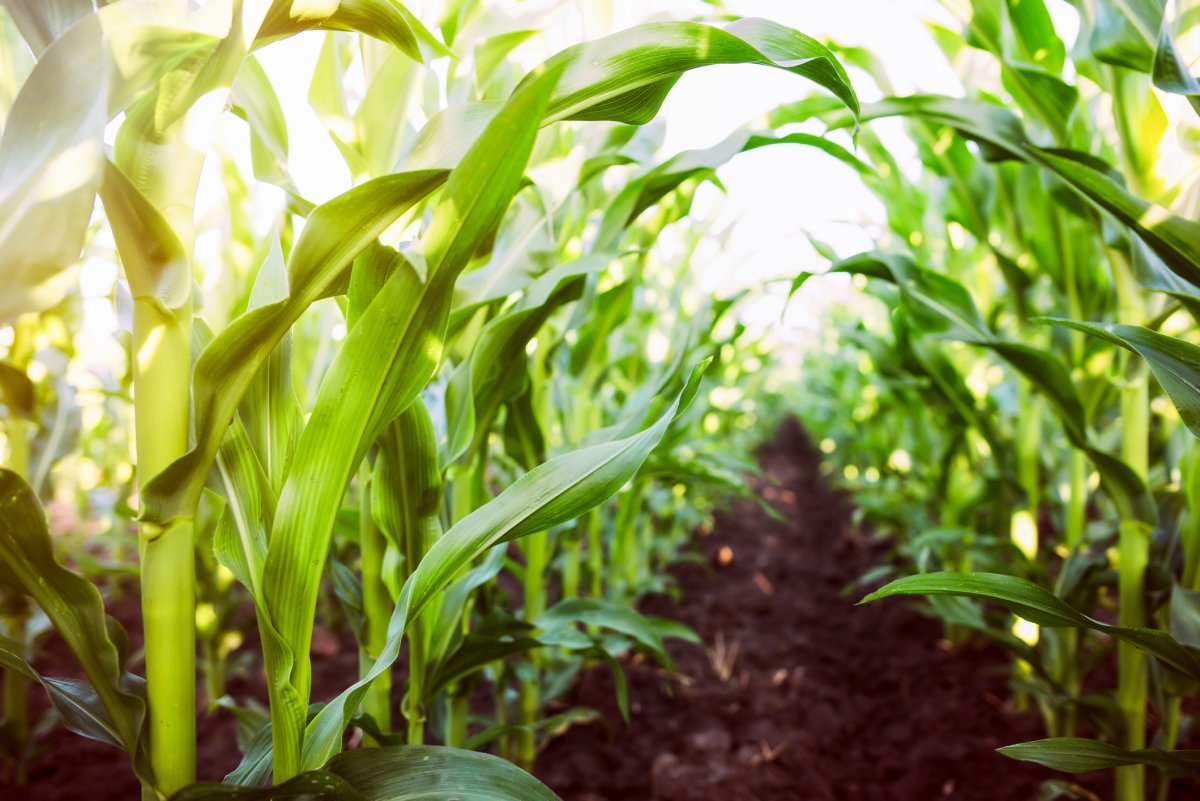
Over half of the grain grown on the planet, and a strong majority of the corn, is being fed to livestock, not humans. And it takes between 8- 12 pounds of corn to produce one pound of feedlot beef. This is not exactly the peak of efficiency. In fact, modern meat production is something of a protein factory in reverse…
And feed corn (almost all of which is field corn) uses an immense amount of natural resources. In fact, it uses more water for irrigation and requires more fertilizer to grow than any other crop. Fertilizer is rich in nitrogen and phosphate, which are linked to the development of ocean dead zones, as agricultural runoff reaches our waterways. Corn production is responsible for approximately 40% of the nitrogen pollution in agricultural runoff. In the United States, corn also uses more land than any other crop – about 97 million acres.
Meanwhile, there are nearly one billion people hungry or starving around the world. If we stopped cycling so much corn and other crops through livestock, we’d free up vast amounts of land and water, which we could use to grow food directly for humans.
The counterintuitive reality is that a typical factory farmed steak contains significantly more corn and soy than a dinner of corn on the cob and tofu.
Corn For Humans: How To Enjoy It
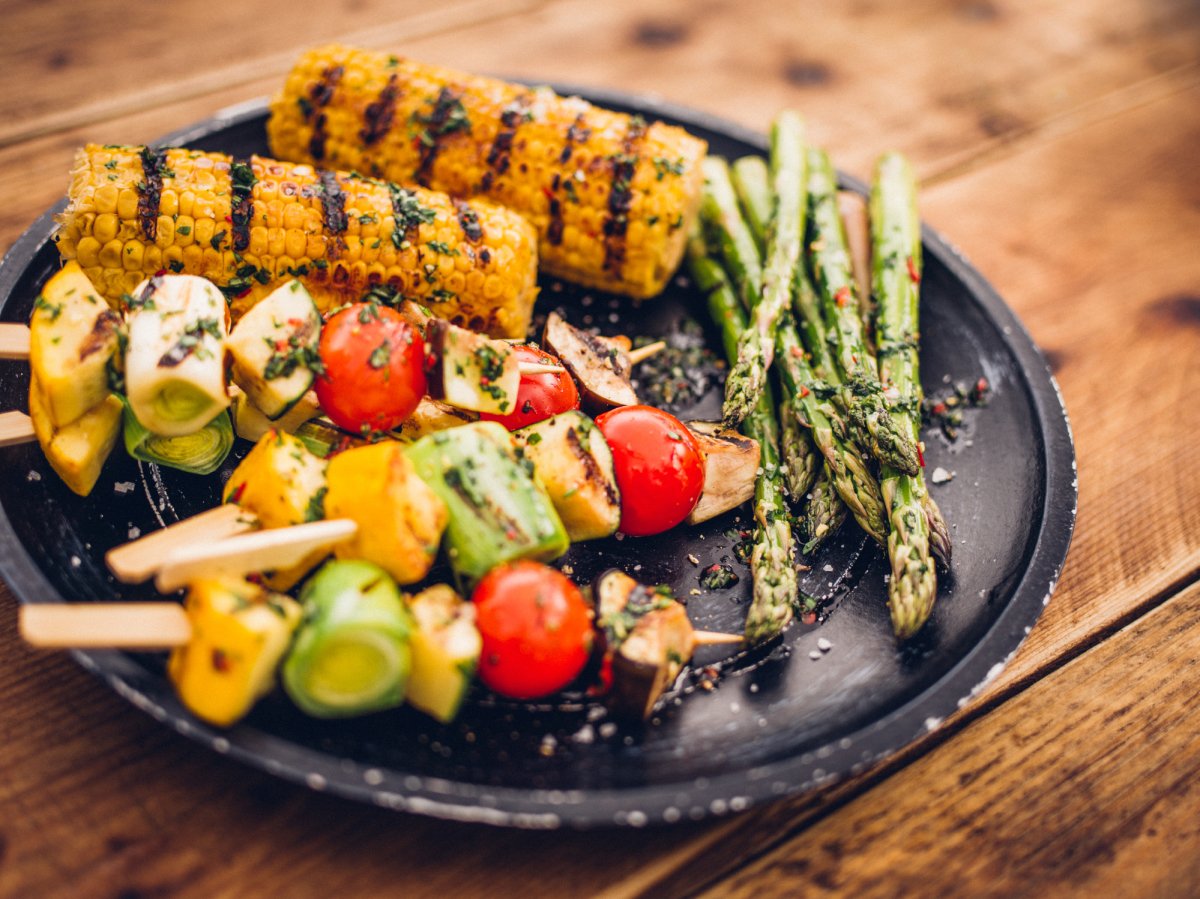
When choosing corn on the cob, look for uniformly green and tightly wrapped ears. The cob itself should feel firm all the way around. If you notice that the brown silk peeking out of the top is slightly damp, that’s a good thing. However, if the husk has any holes in it, choose another one — this could indicate worms.
When you get home, tightly wrap the ears in a plastic bag (or other more eco-friendly wrap) and place them in the refrigerator. Corn usually stays fresh for a few days stored this way. You can also freeze it. To do this, you might want to blanch the corn — either in whole form or just the kernels — and then freeze it. This will help maintain its color, texture, and freshness.
If you buy corn in its husk, you’ll have to shuck it, or remove the leaves. Start by peeling back the outer leaves, then the inner leaves. When you have all of the leaves and most of the silks peeled back, break them off the end of the cob. You will probably have some pesky silk left. Watch the video below on how to easily remove that.
Комментариев нет:
Отправить комментарий