


 Сообщения


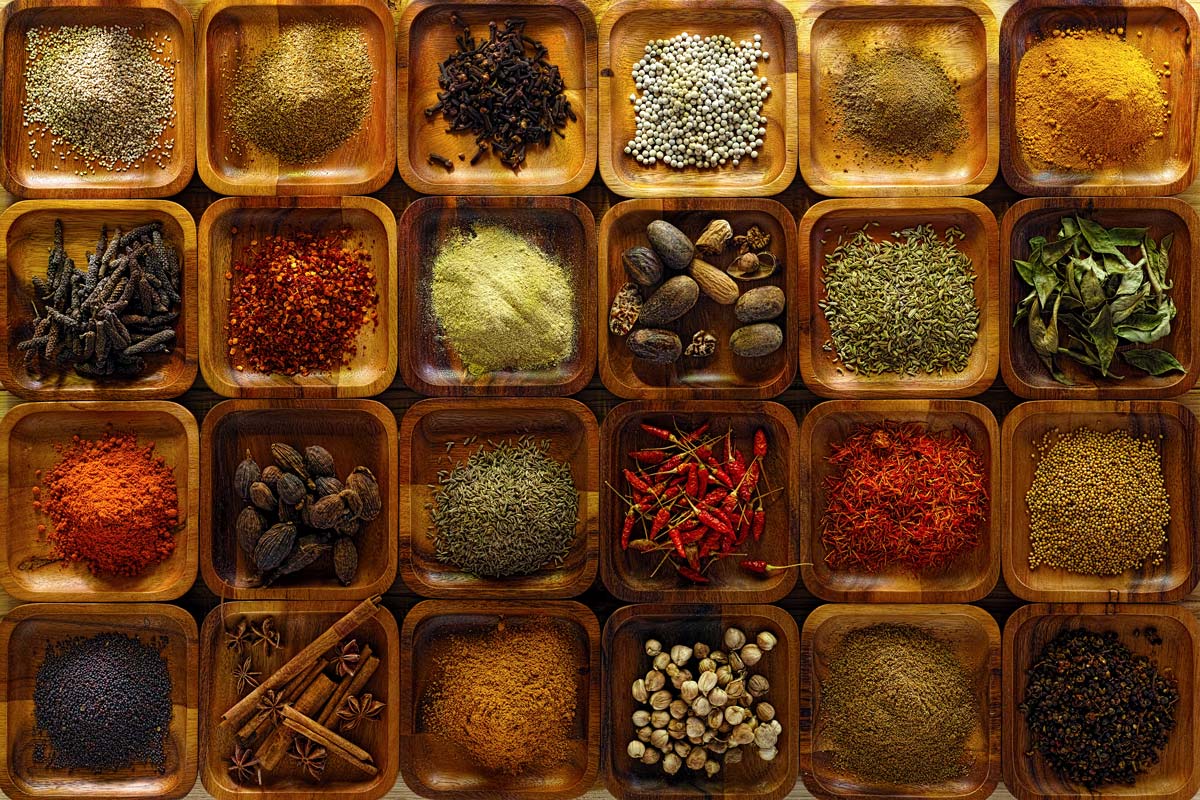
Curry mixes can include many spices — roughly 20 different kinds are used
in different combinations, depending on the flavor desired. Common curry spice blends include cinnamon, cumin, coriander, cardamom, nutmeg, asafoetida (which shares a root with the word “fetid,” referring to the aroma of this spice before it’s cooked), fenugreek, fennel seeds, saffron, and, perhaps most significant of all, turmeric.The specific ingredients, ratios, and methods of preparation vary from country to country, region to region, and even family to family. But the nice thing about this, of course, is that it’s impossible to get a spice blend “wrong.” As long as you like the taste, you can’t mess it up.
The trick with curries is to get the flavors of those spices into the dish itself in ways that enhance rather than overpower the other ingredients. Most curries are liquid-based, which is reflected in the etymology of the word. Linguists identify the origin of the word curry from the Tamil word kari, which means “sauce.”
In Thailand, home of red, green, and yellow curries, these dishes are called gaeng (also written as kang, gang, or geng), which means “any wet, savory dish enriched and thickened with paste.” Hats off to a language that can put all of that in one word!
Types of Curry
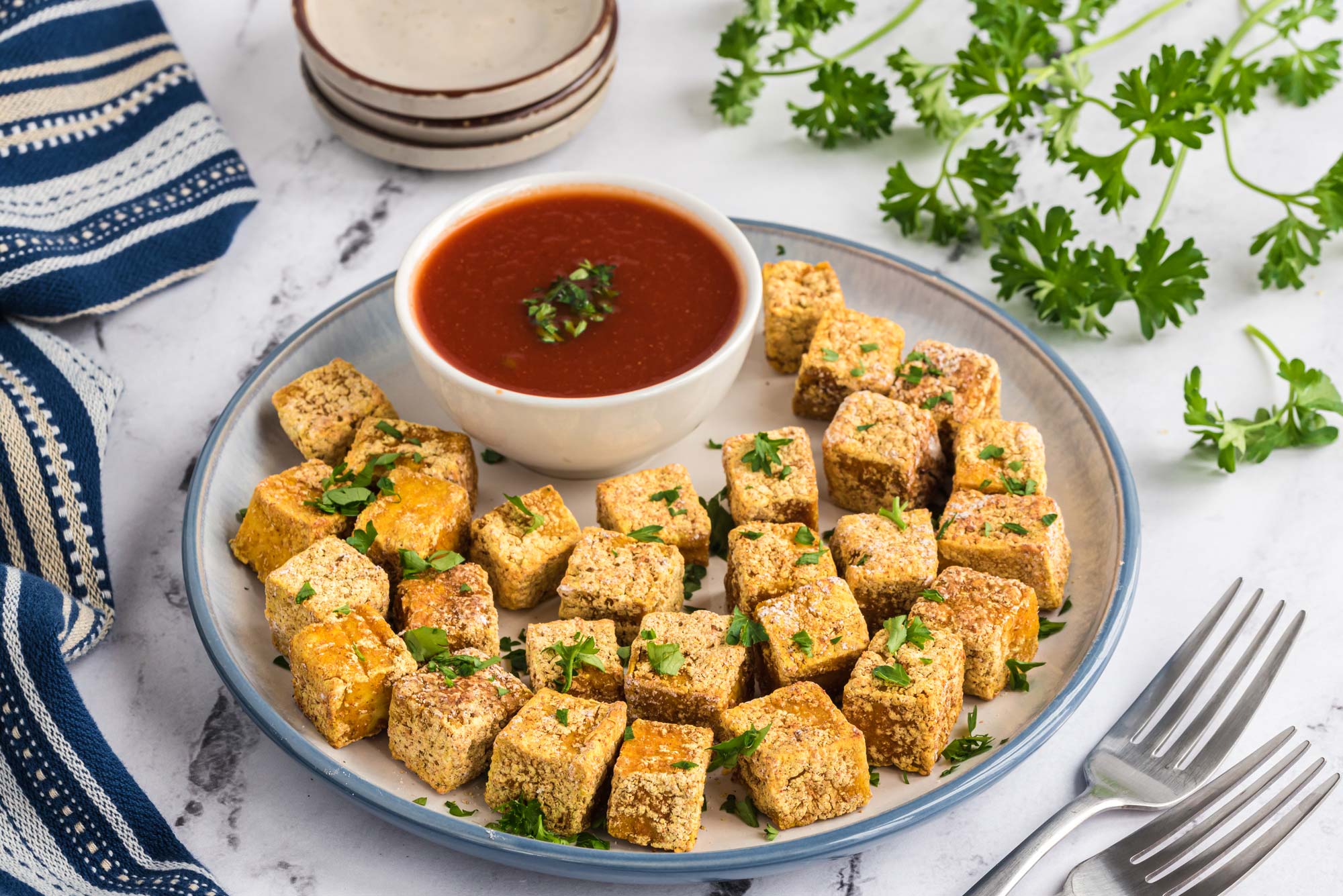
We can classify the wide variety of curries in a few different ways. One is by color: red, yellow, and green. Red and green curries are generally spicy, although this characteristic can, of course, be adjusted by varying the types and amounts of spices. Typically, yellow curries are the mildest, lacking the red and green chilies that give those curries their heat.
The colors come both from the spices and other ingredients as well. Red curries can include tomatoes as well as red chilies. Examples of red curries include the Indian tikka (whose red comes primarily from tomatoes and Kashmiri chilies — or sometimes paprika) and vindaloo (red vinegar) curries, and the Thai panang and massaman (both red from chili peppers).
Yellow curries, like the Indian korma, get their hue from turmeric. And green curries use green chilies, as well as other green ingredients like lime leaves and cilantro.
Health Benefits of Curry
The more science learns about the health effects of the spices that make up curries, the more it becomes clear we should consume a whole lot of them. In this respect, the West is just catching up to the traditional Indian health system called Ayurveda, which prescribes spices, individually and in combination, for a variety of health conditions. Turmeric, for example, may be part of the reason that India has one of the world’s lowest rates of Alzheimer’s (roughly half of that in the US); it’s called the “king of spices” for good reason.
Cumin, another key curry spice, may improve digestion, can help regulate blood sugar (important for those with diabetes), and appears to be protective against heart disease, among many other beneficial characteristics.
Ginger, whether fresh or powdered, aids in digestion and also acts as an antioxidant and anti-inflammatory. It appears to aid in weight loss and can lower cholesterol and reduce the risk of heart disease. It’s also potentially helpful in reducing swelling and pain from osteoarthritis.
The variety of curry spice blends and recipes provide a wide range of potential health benefits. Chili peppers, garlic, cinnamon, and onions also come with documented health effects, including reducing inflammation, preventing cancer, reducing Alzheimer’s risk, improving bone health, and promoting heart health.
How to Use Curry
Typically, you add curry paste, powder, or sauce to a broth- or sauce-based dish. Many of the most common curries are meat-based (chicken vindaloo, lamb rogan josh, beef kofta “meatballs”), but it’s easy to substitute plant-based ingredients. Thanks to India’s robust vegetarian traditions, there are many vegan and vegetarian options already: lentils, veggies, and even fruit like pineapple. These dishes, like all curries, can be served over rice, another grain like quinoa, or with Indian breads like naan, roti, or paratha. And, of course, if you like, you can use plant-based meat analogues, from the familiar tofu or tempeh, to plant-based meats.
You can also add curry powder or curry spice mixes to a number of other dishes, like soups and stews, stir-fries, potato dishes (any Indian dish with the word “aloo” contains potatoes), condiments like ketchup (if you’ve never tasted curry ketchup, you’re missing out!), and marinades for tofu and other meat analogues. One of my favorite ways to add curry spices to my day is to include them in a breakfast tofu hash, also known as scrambled tofu. The turmeric makes the tofu curds look a lot like scrambled eggs.
Комментариев нет:
Отправить комментарий