


 Сообщения


A report from the World Resources Institute says that shifting from a standard,
animal-centric diet is one of the best places to start. Even changing just 30% of your food from animal products to plant-based foods would lead to meaningful improvements (though greater reductions would be even better!).In 2018, the journal Science published the largest study to date on the environmental impact of food. It was an enormous and thorough study. Researchers looked at data collected from 40,000 farms in 119 countries, and studied the 40 food products that represent 90% of everything we eat.
The authors concluded that livestock provides only 18% of the food calories eaten by humans, and 37% of the protein, yet it uses over 83% of farmland. Meanwhile, livestock is also responsible for 57% of water pollution, 56% of air pollution, and uses a third of the world’s fresh water.
A 2018 article in Nature states that continued consumption of the Western diet (high in processed foods and red meats) could lead to “exceeding key planetary boundaries that define a safe operating space for humanity beyond which Earth’s vital ecosystems could become unstable.”
Or, put more starkly, in the words of Star Trek Lt. Commander Montgomery (“Scotty”) Scott, “I dunnae if she can take any more, Captain!”
And even though by “Western diet” they mean the standard American diet, most other developed and developing countries have increasingly adopted or aspired to this dietary pattern.
This has not only led to an increase in many preventable chronic diseases, but it has also widened the impact of environmental damage.
The 9 Top Climate Damaging Foods
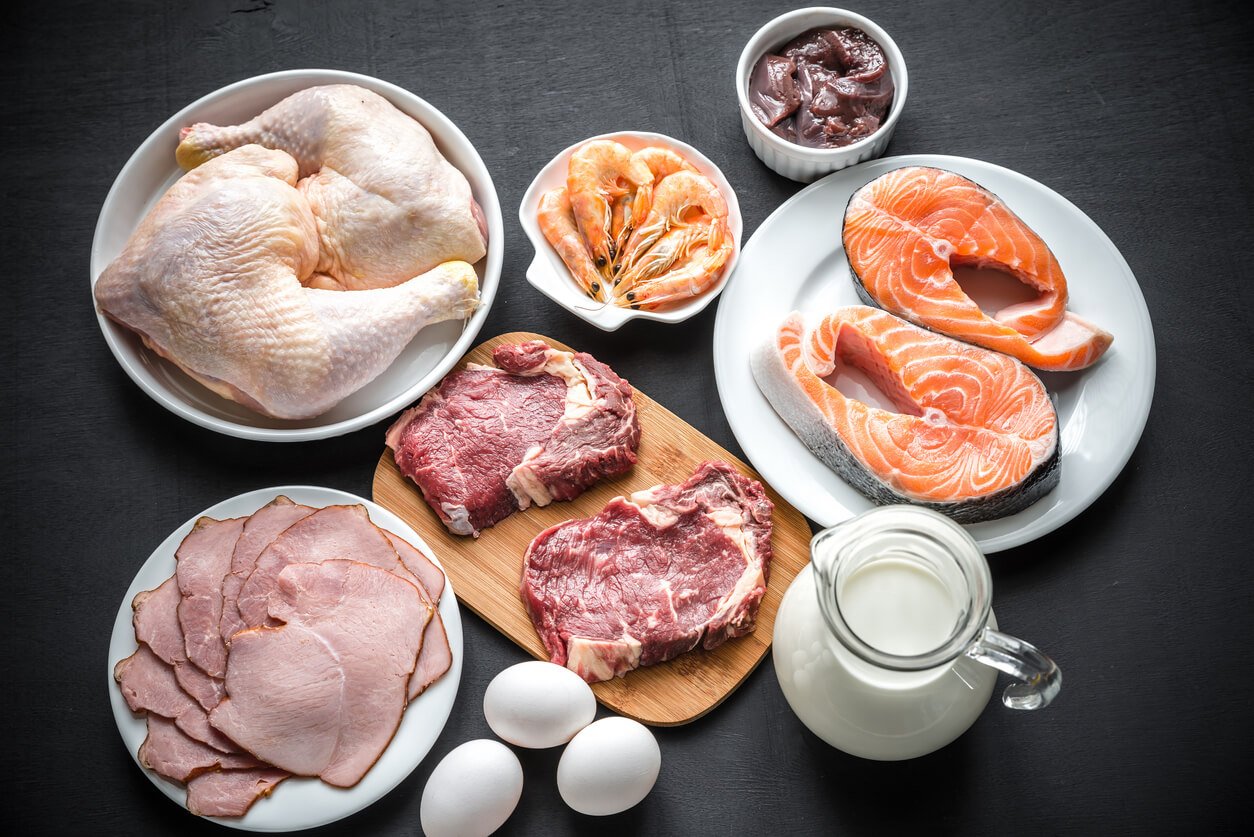
By now, you’re probably wondering — exactly which foods contribute most to climate change? Where can you start if you want to shift your diet to help prevent global collapse?
A 2011 analysis by the Environmental Working Group looked at the carbon footprint of various foods. In other words, how much do different foods contribute to the greenhouse gas effect? Their report shows how many kilograms of carbon dioxide is emitted per kilogram of each food consumed.
The worst offenders included beef, of course, and also lamb, cheese, pork, farmed salmon, turkey, chicken, canned tuna, and eggs.
Beef production emits about 10 times more greenhouse gases per pound of meat than chickens or pigs, which themselves emit about 10 times more than legumes. The lowest greenhouse gas-producing animal product, chicken, is still seven times more damaging to atmospheric stability than lentils.
Plants also need natural resources to grow, but they’re far less resource-intensive than animal products.
Foods like peas, lentils, and beans need little water and can grow in tougher climates. Legumes also have the ability, in partnership with certain soil fungi, to extract inert nitrogen from the soil and use it, which reduces the need for fertilizers that release nitrous oxide into the atmosphere. I’ve also never seen a plant burp or pass gas (not even skunk cabbage!).
11 Foods That Are Better for the Environment
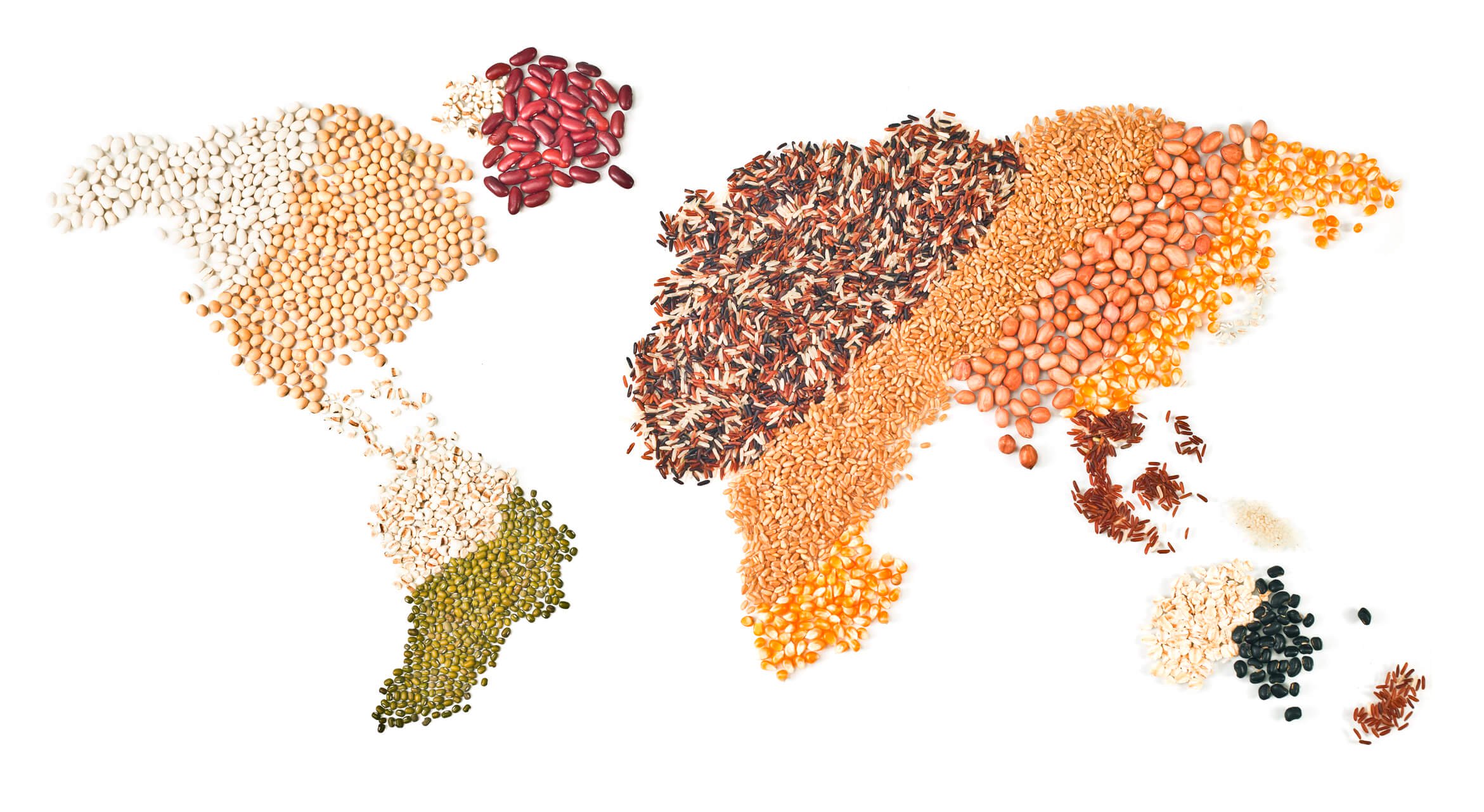
By making more environmentally-friendly food choices, you can make a big impact.
Many plant foods contribute to far fewer greenhouse gas emissions than animal products. The EWG report included several plant foods for comparison, as outlined below:
#1 — Lentils = 0.9kg carbon per kg of lentils consumed
Lentils come in several varieties. Green and brown lentils are great for making cold lentil salads, while red lentils do well in soup and dal. You can find lentils both canned and dried.
#2 — Tomatoes = 1.1kg carbon per kg of tomatoes consumed
Tomatoes may be one of the easiest plants to grow at home, but whether you grow or buy them, they have countless uses. I enjoy them sliced on sandwiches or on top of avocado toast, chopped into salads, or blended into homemade tomato bisque.
#3 — Dry Beans = 2kg carbon per kg of dry beans consumed
Dry beans are a great, affordable bulk food to keep in your pantry. After an overnight soak and a rinse, they’re ready to cook and use in soups, bean dips, on nachos, in chili, or in a bean salad.
#4 — Tofu = 2kg carbon per kg of tofu consumed
Tofu is one of the most versatile plant proteins and comes in a range of soft and firm consistencies. Tofu takes on most any flavor or seasoning it’s given. You can eat it baked, sautéed, blended, crumbled, scrambled, or even eaten raw. (Tofu comes from soy, so keep in mind that if it isn’t organic or certified non-GMO, then it was made using GMO soy.)
#5 — Broccoli = 2kg carbon per kg of broccoli consumed
Broccoli is delicious both raw and cooked. It makes a nutritious snack any time of day and an excellent side to just about any dish. I enjoy creamy broccoli soup, roasted broccoli florets, and have even been known to put broccoli on pizza. And maybe I’m weird, but I also love it lightly steamed, with nothing on it!
#6 — Nuts = 2.3kg carbon per kg of nuts consumed
Nuts are another nutrient-dense food to keep on hand. They make great snack food, but you can also use them to make nut milk, mix them into oatmeal, sprinkle them onto salads or casseroles, or use them to make dairy-free cheese.
#7 — Rice = 2.7kg carbon per kg of rice consumed
Rice is a low-cost grain that complements many simple meals, such as stir-fries, curries, burritos, and cooked beans. It’s also a key ingredient in rice pudding, homemade veggie burgers, and sushi. Rice is often contaminated with arsenic, so you may want to limit consumption with this in mind.
#8 — Potatoes = 2.9kg carbon per kg of potatoes consumed
Potatoes are great mashed, roasted, or air-fried. Twice-baked potatoes loaded with veggies can even be the star of the meal. Leave the skin on for added nutrients.
Other Environmentally-Friendly Plant Foods Include:
#9 — Green peas
They naturally fix nitrogen in soil. This reduces the need for fertilizers and helps maintain the soil’s nutrients. For more on peas click here.
#10 — Amaranth
This grain is resilient and can grow in difficult climates. It doesn’t need much water and has been used to help with world hunger.
#11 — Oranges
These fruits are water-efficient in their whole form. They require around half as much water to grow as bananas.
Комментариев нет:
Отправить комментарий